A Pilot's Guide to Inflight Icing
Module I - Before You Fly
Check the Weather
Section: Check the Aircraft
Start This SectionCheck the Aircraft Walkaround
The preflight check of an aircraft that is about to depart into potential icing conditions is particularly important. Flight into icing is neither safe nor legal unless the aircraft's ice protection system is functioning properly. Before departing, check that:
- Empennage and airfoil surfaces are clear of ice, snow, or frost
- Control surfaces are able to move as intended
- Pitot tubes, static ports, and angle of attack vanes are clear
- Pneumatic boot surfaces (if so equipped) are free of holes and tears
- Prop heat blanket (if so equipped) is in good condition
- Other ice protection system components are in good condition
- Propulsion system components are free of ice or slush
- Empennage and airfoil surfaces are clear of ice, snow, or frost
- Landing gear and doors are clear of contamination that would inhibit their operation
Check the Aircraft Walkaround
Control Surfaces and Flaps
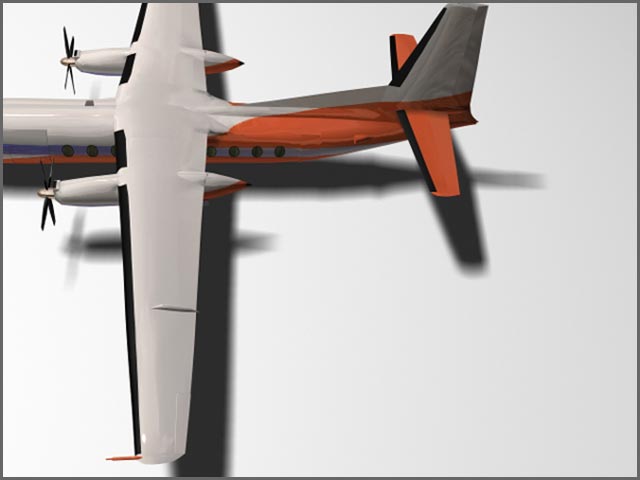
The gaps between fixed surfaces and movable surfaces such as elevators, rudders, ailerons, and flaps may become contaminated and prevent full deflection. Contamination with slush may allow the controls to operate in an apparently normal fashion on the ground but freeze at higher altitudes. Verify visually that all flap and control surface gaps are free from contamination.
Check the Aircraft Walkaround
Landing Gear and Brakes
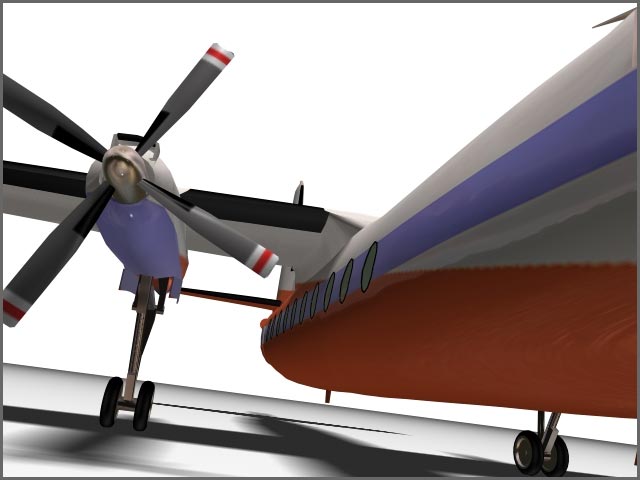
Make sure landing gear doors, wheel wells, and brakes are clear of impacted snow and ice.
Check the Aircraft Walkaround
Wing/Tail Ice Protection Systems
Heated
Some aircraft utilize electric heating systems. Check them per the AFM. An appropriate electrical load should register when the system is activated, or no load if the system is inhibited by the squat switch. Many systems are temperature limited in ground operations. Verify switch positions for bleed air systems prior to takeoff. The AFM may prohibit takeoff with wing bleed air on or it may require alternate performance charts for takeoff with bleed air on.
Fluid
If your aircraft is equipped with an anti-ice system such as a TKS system, check that the reservoir is full, and that no system leaks are visible. It is a good idea to check visually that the fluid is flowing normally and that all systems are operating within normal specifications. Refer to your AFM for specific guidance regarding checks of TKS equipment.
Pneumatic
If your aircraft is equipped with boots, check visually that the boots cycle properly in automatic and manual modes, and that associated annunciator lights operate normally. Verify visually the condition of the boots, and the adherence and condition of any installed boot patches. Many AFMs prescribe additional procedures for testing the function of the aircraft's de-ice boots.
Check the Aircraft Walkaround
Engine Anti-Icing

Many aircraft utilize heated engine nacelles and engine front frame protection. These systems are generally electrical, bleed air, or a combination. Also, many turboprops utilize deflector doors to prevent snow and ice from entering the engine. These need to be checked during run up. Check these systems per the AFM. Verify appropriate power settings and electrical loads to avoid ice ingestion into the power plant. Engine anti ice systems may have limitations on time and power settings for ground ops.
Check the Aircraft Walkaround
Propeller Ice Protection Systems
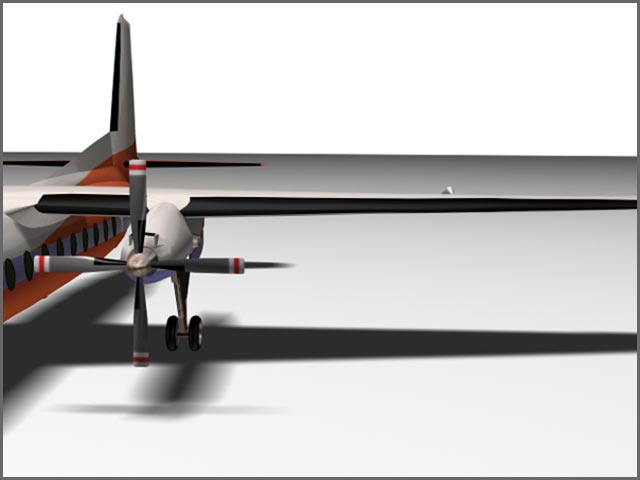
Heated
Many propeller aircraft are equipped with electrical "blankets" at the propeller hubs. Heating these blankets places a large load on the aircraft electrical system. Hence, the propeller blades are commonly heated on an alternating basis. Verify that the system is cycling between blades normally, and that electrically heated surfaces are heating. Some systems utilize an annunciator light designed to indicate that the system or some part of it is receiving electrical power. Often, normal system operation can also be verified by monitoring aircraft electrical load meters throughout the entire prop heating cycle.
Fluid
Some propellers are equipped with fluid-based protection systems. Check that the associated reservoir is full, and that all pumps and plumbing are operating normally.
Check the Aircraft Walkaround
Aircraft Surfaces
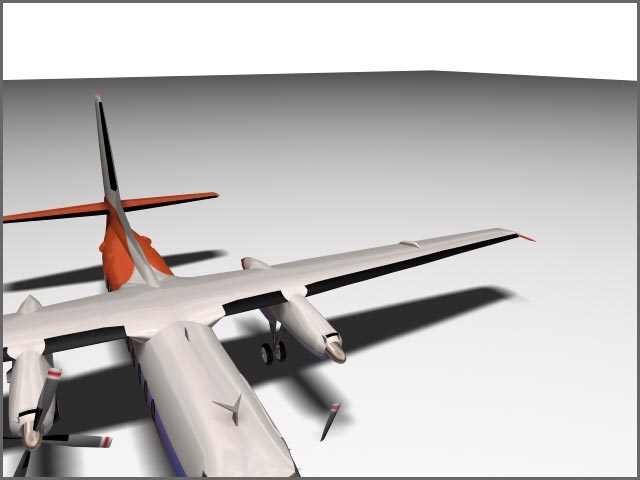
Wing - Tail - Fuselage
All aircraft surfaces should be clear of ice, snow, and frost prior to takeoff. Even thin layers of frost may cause substantial performance and handling degradation. Remember that clear ice may not be easy to detect visually. If possible, feel the surface.
Fuel Tank Vents
Ice may plug fuel tank vents and cause some fuel feed systems to malfunction. Verify that fuel vents are free of contamination.
Check the Aircraft Walkaround
Probes, Vanes and Lights
Stall Warning
Check that all heating surfaces associated with the aircraft's stall warning system are operating. Check angle of attack heated vanes, as well as heated pitot tubes and static ports as appropriate.
Ice Detectors
Check that the ice detector probes are secure and free from contamination. Test these systems according to the manufacturer's recommended procedures.
OAT/TAT Probe
Knowledge of the outside air temperature is important for assessing the risk of icing in flight. Check that the temperature measuring system is functioning properly.
Ice Observation Lights
Check that the ice observation lights are functional.
Check the Aircraft Walkaround
Windshield De-Ice Systems
Heated
Check for proper operation and for cracking, distortion, or damage to any electrically heated windshield surfaces. Verify that a load on the electrical system registers when the system is activated. In windshield systems heated with bleed air, cycle the bleed air to be sure that all moisture is purged from the nozzles, and that the system operates normally. Observe all AFM directives regarding time and/or engine power limitations for ground operation or severe windshield heat damage may result.
Fluid
In some aircraft the windscreen is protected by a fluid-based system. In these aircraft, check that the spray nozzles are free from debris.
Wipers and Washers
Check that the wipers are free to move and in good condition.
Check the Aircraft Walkaround
Cockpit
Some ice protection system components can be tested on the ground. Test as prescribed in the AFM. Note how the indicator for each component operates and what distinguishes an operative from an inoperative component. Indicator lamps may illuminate whenever power is applied, when the system is activated, or only when the system has been activated but there is a failure.