A Pilot's Guide to Inflight Icing
Module I - Before You Fly
Know the Situation
Section: Weather - Seasons
Start This SectionSeasons - Winter Weather
In winter operations in the continental United States, rapid ice buildups are more likely at altitudes below 15,000 feet AGL. This altitude range is where most of the supercooled liquid water can be found. Further north, the freezing level can reach the surface, which may cut off low-altitude "escape routes".
During the winter, air masses tend to be colder and, due to the lower temperatures, more stable and contain less water vapor. These stable environments tend to produce stratus cloud formations. However, in the southern U.S., winter conditions can include cumulus clouds, much like summer conditions in the northern states.

Winter Operations
Seasons - Summer Weather
During the summer (warm season), the air masses tend to be warm and, due to the higher temperatures, contain large amounts of water vapor. The higher surface temperatures can create temperature instability leading to strong convective updrafts and cumulus clouds. Cumulus clouds can produce severe local icing encounters.
During the warm season, the freezing level can be quite high, reaching 16,000 feet AGL or higher. Icing conditions can extend into the higher altitudes making it difficult for some aircraft to exit by climbing above the icing environment. The best option in these conditions may be to divert around buildups.
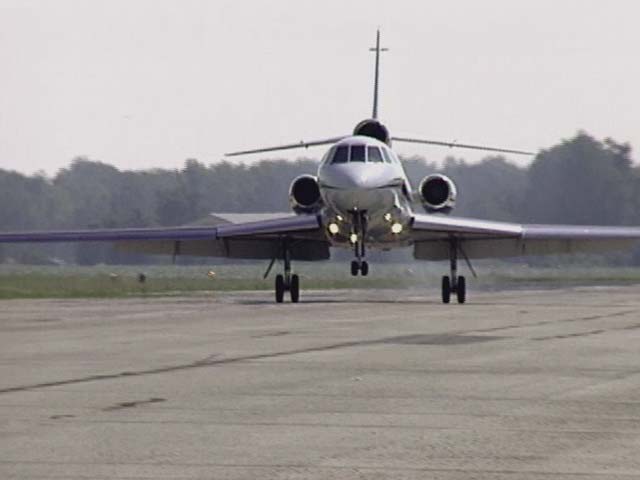
Icing can be a threat during summer