A Pilot's Guide to Inflight Icing
Module I - Before You Fly
Section: Module Synopsis
Start This SectionModule Synopsis Before You Fly
The risks posed by icing conditions depend on a variety of factors. Subtle differences in atmospheric conditions and aircraft designs can be important. By paying close attention to the weather and knowing the specific characteristics of your aircraft, you can anticipate icing and reduce the risk of flight in icing conditions.
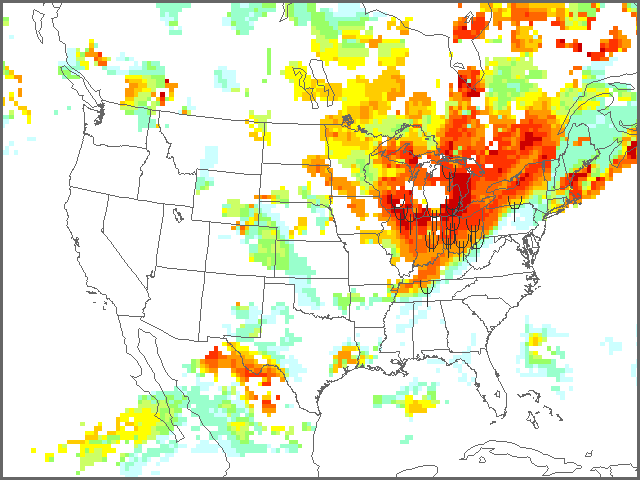
CIP Composite Display
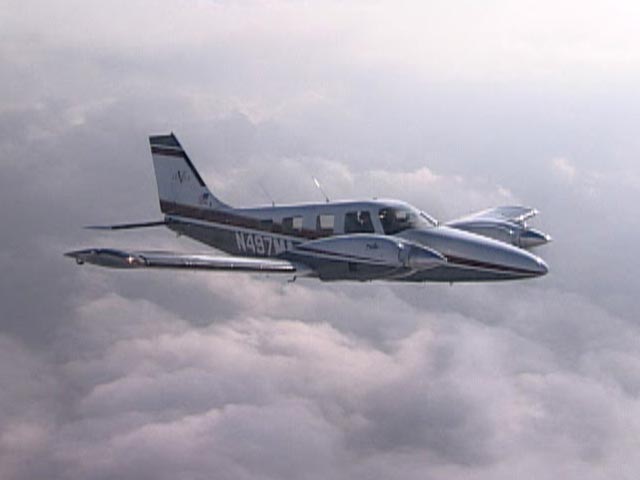
Seneca in flight
Module Synopsis Before You Fly
You should plan your flights to minimize the risk of a serious icing encounter. Consider routes that avoid prolonged flight through frontal conditions or along the windward side of mountain ranges. Examine the weather package to find routes and altitudes where the risk of icing is lower. Remember, a difference of only a few miles or a few thousand feet in altitude can often substantially reduce the risk of a serious icing encounter. Develop an icing plan. Know where you are likely to encounter ice and know your avoidance and exit options.
Know the situation; know your capabilities; and know your plan before you leave the ground.

Stratus Clouds
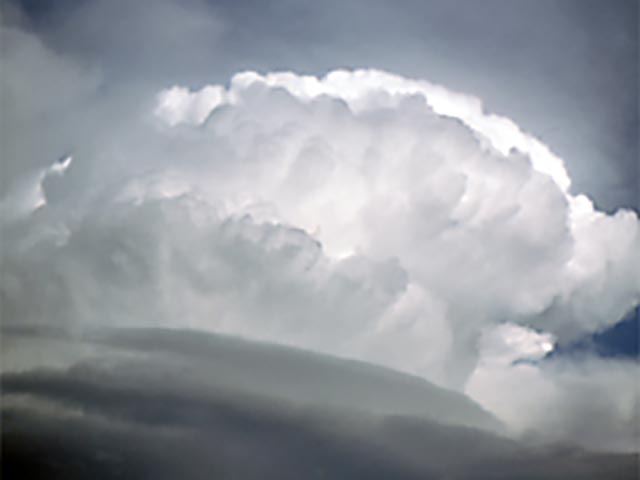
Cumulus Clouds