A Pilot's Guide to Inflight Icing
Module II - In the Airplane
Flight Operations
Section: Cruise - Think
Start This SectionCruise - Think Flight Operations
In cruise, the aircraft is usually high, clean, and fast. Workload tends to be low.
Cruise flight is an ideal time to update your en route and destination weather information and make any necessary changes in your icing plan. With proper planning, the areas that present the greatest risks of icing can often be avoided.
But don't be complacent during cruise. Conditions can change quickly and significant icing can occur.
In this section, we examine the risks associated with cruise flight in icing conditions and outline specific actions to take during this phase of flight.
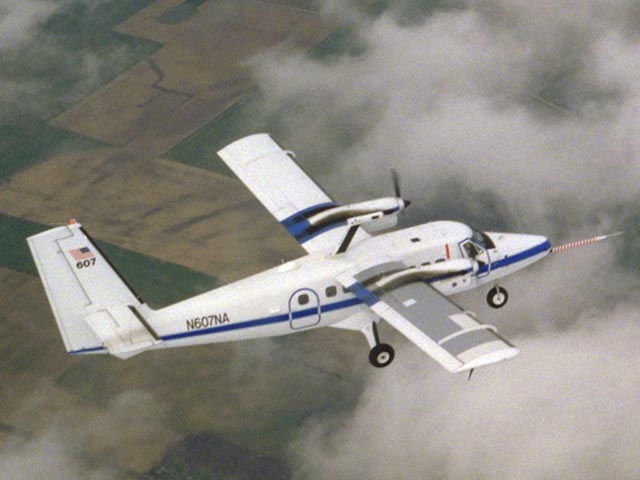
NASA Twin Otter in flight
Cruise - Think Flight Operations
Risks
Cruise flight is a relatively low risk period. The aircraft is usually high, clean, and fast. Traffic density is usually low.
Aircraft with functioning ice protection systems may be able to cruise in some icing conditions without any adverse performance or handling effects. However, ice protection systems are designed to allow aircraft to transit icing conditions, not to loiter in icing indefinitely.

Aircraft in cruise
Related Information
MALAD CITY, IDAHO
JANUARY 15, 1996
MITSUBISHI MU-2
The aircraft departed Salt Lake City, Utah and climbed to 16,000 feet en route to Pocatello, Idaho. While in cruise the aircraft encountered structural icing conditions. According to radar data, the aircraft began slowing from a cruise speed of about 190 knots with slight deviations in heading and altitude. The airspeed slowed to 100 knots and the flight crew declared an unspecified emergency. The aircraft began a right turn, entered into a steep descent, and crashed.
The AFM warned that during flight in icing conditions stall warning systems may not be accurate and should not be relied on, and to minimize ice accumulation, pilots should maintain a cruise speed of 180 knots or exit the conditions.
The NTSB investigation determined that the probable cause of the accident was continued flight in icing conditions with known faulty pneumatic equipment, structural ice, and failure of the crew to maintain adequate speed, resulting in loss of aircraft control and collision with terrain. The en route icing was not forecast which was cited as a factor relating to the accident.
Post-flight inspection revealed what was left of a ridge of ice, measuring approximately 18 inches long, 1/2 inches wide and 1/4 to 3/8 inches high (ragged). This was found on the right wing between the engine nacelle and the break between the new style de-ice boot and the old de-ice boot. Ice was beginning to form between the top portion of the ice boot and the beginning of the top part of the wing.
Cruise - Think Flight Operations
Risks
Even in routine cruise flight, you might encounter radically different icing environments in a relatively short time. The rate of ice accretion may increase suddenly and overwhelm the ice protection system. Rather than tolerate the ice, act to reduce the risk and exit from icing conditions whenever practical. Think of the ice protection system as a way to buy time while you exit the conditions.
Several incidents and accidents have been caused by loitering in the ice too long.
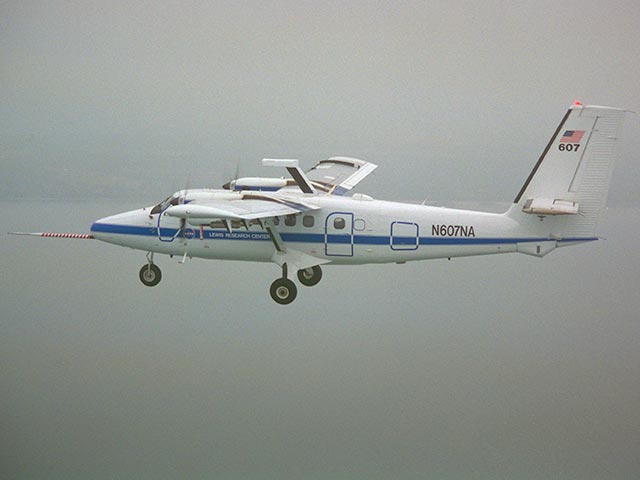
NASA Twin Otter aircraft in cruise
Cruise - Think Flight Operations
Plan
Cruise flight is the ideal time to obtain updated weather information.
Contact Flight Service to obtain current en route and destination weather.
If necessary, revise your icing plan and brief for anticipated icing encounters. Conditions frequently change; plans should too. Don't stick with an outdated plan. Take advantage of this relatively low workload period to lower the risks of other phases of flight.


Cruise flight is an ideal time to obtain new weather information from Flight Service
Cruise - Think Flight Operations
Monitor
Beware of complacency. Whenever you are in potential icing conditions, monitor the aircraft and the environment continuously for indications of icing or a change in icing type or intensity.
At least occasionally hand fly the aircraft. Hand flying will allow you to detect subtle changes in the aircraft's handling characteristics.

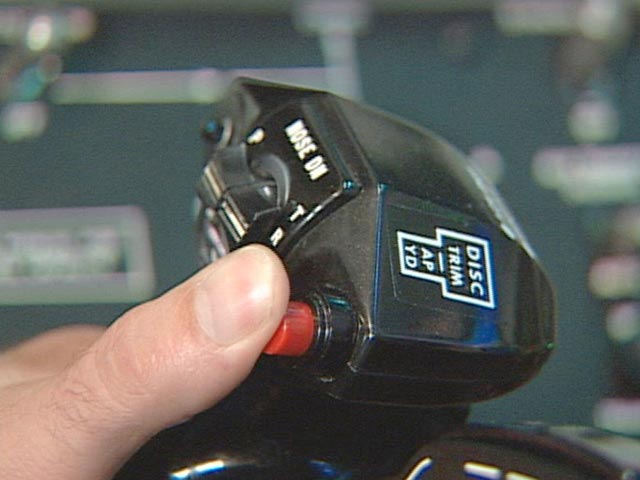
Hand fly the aircraft to check for handling anomalies
Related Information
Ellen Tom, FAA Research Pilot