A Pilot's Guide to Ground Icing
Module I - Risks
How ground icing can hurt you
Section: Contamination Penalties
Start This SectionContamination Penalties Risks
Aerodynamic Effects – Wing
Even small amounts of frozen contaminants (frost, ice, snow and slush) can change the shape and therefore air flow over aircraft surfaces.
Contamination on the wing can reduce perfor-mance by increasing drag and reducing maximum lift. This means the stall angle will decrease, probably so that the aircraft experiences stall onset symptoms before the stall warning device (horn or stick shaker) activates.
The disruption in air flow will also alter the flight characteristics, and can lead to a roll upset or pitch upset.
Further Information
Even small amounts of frost, ice or snow contamination similar to medium or coarse sandpaper on the leading edge and forward upper surface of a wing, can reduce maximum wing lift by as much as 30% and increase lift-induced drag by 40%. The changes in lift and drag significantly increase stall speed, reduce controllability and alter aircraft flight characteristics.
If you fly a modern aircraft with a “supercritical” or “laminar flow” wing, you really need to make sure that any kind of contamination – be it frost, ice, bugs or dirt – is removed from your wings.
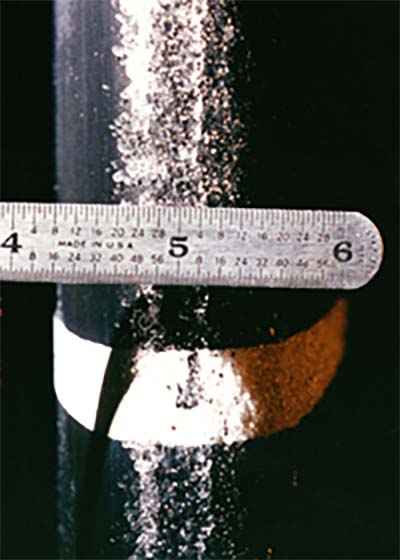
Small amounts of frozen contamination can reduce maximum wing lift (Note: Airfoil is vertically oriented)


Contamination Penalties Risks
Aerodynamic Effects – Tail
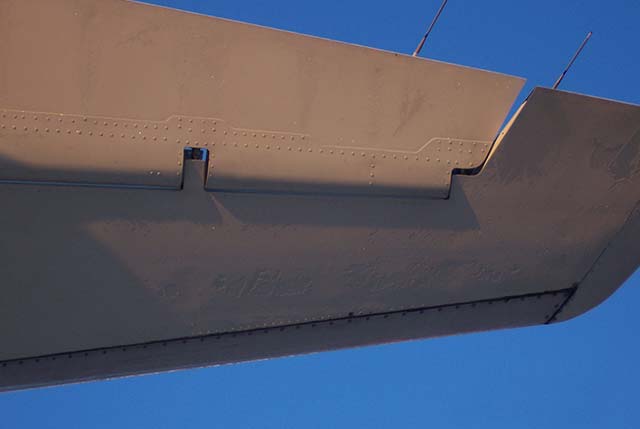
The lower surface of the horizontal tailplane is as aerodynamically critical as the upper surface of the wing. Contamination near the leading edge of the tailplane’s lower surface can cause a pitch upset.
Contamination in tail-elevator gap could restrict your ability to maneuver the aircraft.
Further Information
In most conventional aircraft, the horizontal tailplane generates lift in the downward direction. This counteracts the nose-down pitch moment generated between the weight and the wing lift. For more on the aerodynamics of the horizontal stabilizer, refer to A Pilot’s Guide to In-flight Icing.
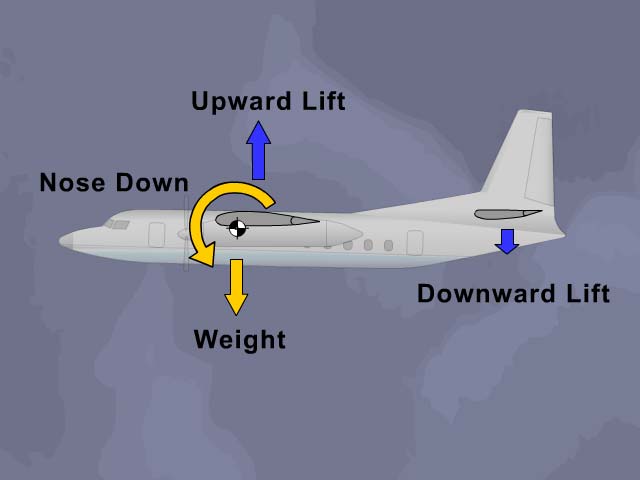
Vertical forces and pitching moments


Contamination Penalties Risks
Engines
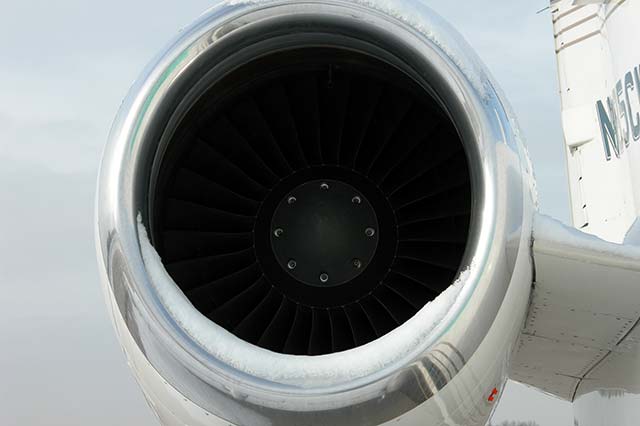
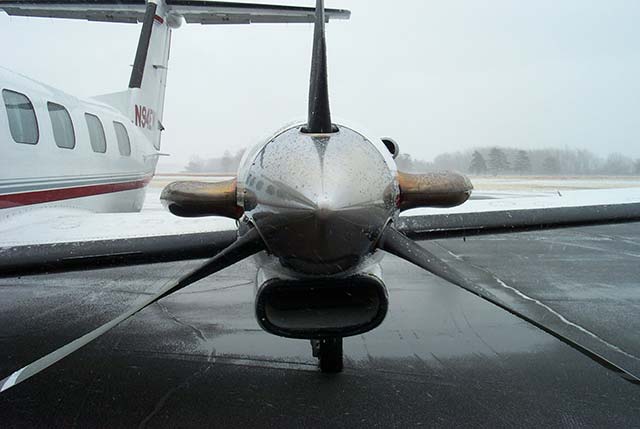
Frozen contaminants blocking engine inlets can cause a power loss or engine failure during takeoff. Frozen contaminants blocking the intake manifolds or filters may affect engine performance as well.
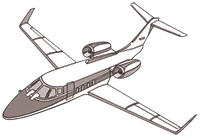
Frozen contaminants ingested into the engine can cause foreign object damage (FOD) to turboprop and jet engines.
Further Information
Some turbine engines use sensing probes forward of the compressor section to measure various pressures and temperatures at the engine inlet. These pressures/temperatures are compared to similar measurements at other points both within and aft of the engine. The comparison of the inlet pressures/temperatures to those downstream provides engine indications and, in some cases, governs the control of the engine (e.g., setting engine power).
In extreme environmental conditions, it is possible for frozen contaminants to deposit on the inlet probes. This may happen if the anti-icing system is not activated or malfunctions in very heavy precipitation conditions. Blockage of these probes would affect engine indications and performance. Monitor RPM and N1 to crosscheck these parameters.

Engine with frozen contamination coating the exterior and inlet.
Piston engine carburetor induction systems are prone to developing ice in the venturi if the ambient temperature is at freezing point or slightly higher and the air is humid. Carburetor heat can be selected to prevent or remove the ice while on the ground and in flight, but carburetor heat should never be used during take-off.

Illustration of ice build-up within the carburetor. (from "Pilot's Handbook of Aeronautical Knowledge" - FAA-H-8083-25)

Contamination Penalties Risks
Instrument Effects
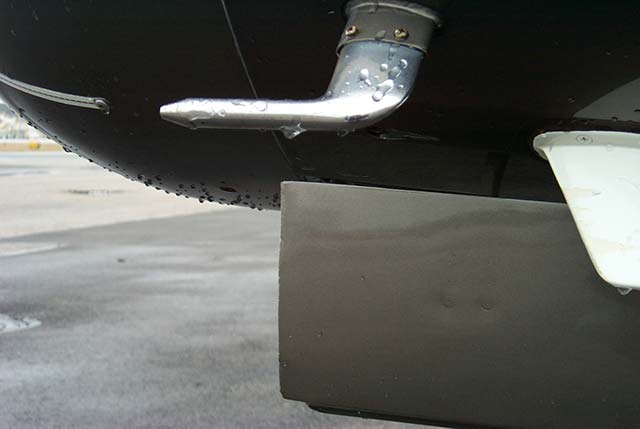
Frozen contaminants can also interfere with your airspeed, altitude and AOA instruments, and cause erroneous displays. If these readings are in question, reject the takeoff. If you are already past the decision speed, fly pitch attitude and power.
Further Information
If the airspeed indicator reads zero during the takeoff roll, the pitot tube is blocked. If you do not reject the takeoff, but continue to climb-out, the airspeed indicator will appear to function shortly after liftoff, but will give you misleading information. If the static ports are not blocked, the indicated airspeed will increase with altitude, not airspeed. As the airplane climbs, the indicated airspeed eventually will exceed the actual airspeed.
Do not be tricked into increasing the pitch attitude and/or reducing thrust - these could cause a perfectly flying airplane to stall.

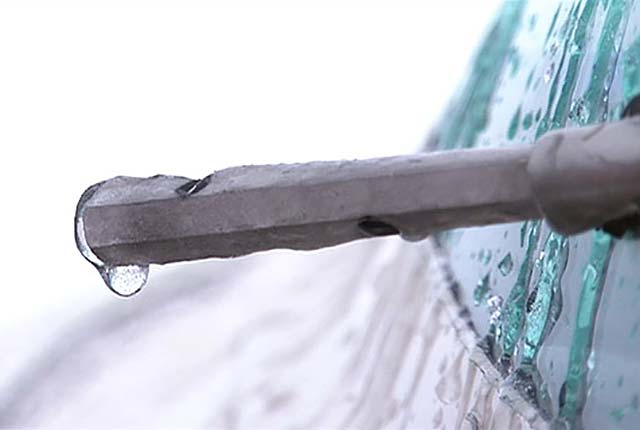
Frozen contamination can block the pitot probe and cause it to provide erroneous or misleading information.
If the static ports are sealed, the airspeed indicator will appear to operate correctly during the takeoff roll. After liftoff, however, the altimeter and VSI will not show a climb. The altimeter will continue to read at field elevation.
The effect on indicated airspeed is less obvious. Because of the pressure trapped in the static lines, the difference between the pressure sensed at the pitot line and the pressure sensed at the static line will be less than the actual difference between the dynamic and static pressures. If the airplane actually climbs at a constant speed, the indicated airspeed will decay.
If you rely on the airspeed indicator, you may reduce the pitch attitude to maintain the erroneous airspeed, possibly causing the airplane to exceed its airspeed limitations.

Frozen contamination can seal the static ports of an aircraft.
If the movement of these sensors is blocked or locked by ice, the stall warning system may not operate properly or may not operate at all.

Stall tab on a booted wing with frozen contamination.