A Pilot's Guide to Ground Icing
Module I - Risks
How ground icing can hurt you
Section: Effects of Contamination - Jet Aircraft
Start This SectionEffects of Contamination Jet Aircraft
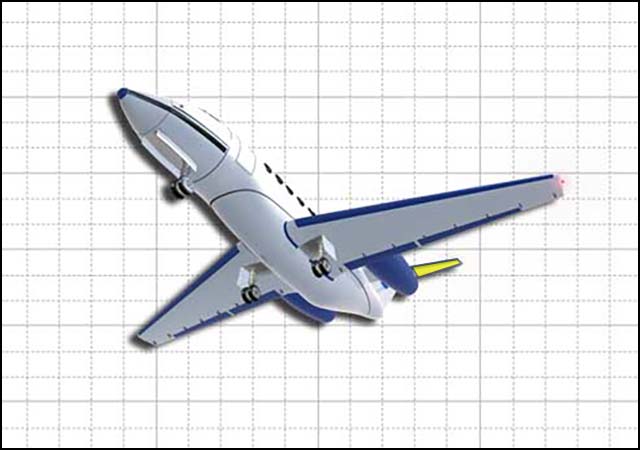
Wing: Performance Loss
A contaminated wing can increase both drag and the stall speed by unknown amounts. This means the length of your takeoff roll may increase. At rotation speed, the aircraft may not be ready to fly. Your normal climb rate might exceed the contaminated wing stall angle, possibly without triggering the stall warning device. If you get out of ground effect, your rate of climb may also decrease.
Related Accidents/Incidents
WASHINGTON, DC – USA
JANUARY 13, 1982
B-737
Scheduled FLT from Washington, DC to Ft Lauderdale, FL. The rwy was closed over 1 hr during moderate to heavy snowfall for snow removal, thus delaying departures. The acft was deiced with a heated ethylene glycol & water solution without engine inlet plugs or pitot static covers installed. Contrary to procedures, reverse thrust was used to help a tug during pushback from the gate and blew snow. After pushback, the flt was delayed 49 min while snow continued in subfreezing conditions. While waiting, the acft was positioned near the exhaust of the acft ahead. During takeoff, the EPR's were set for 2.04, but an anomaly was noted in engine instrument reading. The captain elected to continue takeoff. The acft took off approximately 2000 ft & 15 seconds past the normal takeoff point. After lift-off, it initially climbed, but failed to accelerate. The stall warning stickshaker activated shortly after takeoff and continued until the acft settled, hit a bridge and several vehicles, then plunged into a frozen river. Investigation revealed engine inlet pressure probes became blocked with ice, resulting in a high EPR indication, possible pitch up with snow/ice frozen on wings, no rwy distance markers were available, crew had limited cold weather operational experience.
DRYDEN, ONTARIO – CANADA
MARCH 10, 1989
F-28
The aircraft was fully loaded and had taken on fuel at Dryden. Light snow had been falling whilst the aircraft was being serviced, but the snowfall became heavy while the aircraft waited for take-off clearance, a period of about 10 minutes.
The captain decided to take-off during a snow storm without having the aircraft de-iced. The wings are thought to have been covered with 0.25 to 0.5 inches of snow, whilst the runway was covered with 0.25 to 0.5 inches of slush. The captain believed that the snow was not adhering to the wings and would blow off on take-off. However, the wing contained cold soaked fuel which caused the wet snow on the wings to freeze.
On it's take-off run, the aircraft was reported by witnesses to have labored down the runway, seeming to lack power. Shortly after becoming airborne, the aircraft struck terrain in a wooded area near the runway. The aircraft broke into three pieces and was destroyed by a post accident fire. The FDR and CVR were extensively damaged and the tapes were later found to have melted. Survivors and other witnesses said that the wings had accumulated a layer of wet snow prior to take-off. There were 24 fatalities and 45 serious injuries.
PLATTSBURG, NY – USA
JANUARY 29, 1990
C-208
The pilot overloaded the aircraft by 360 lbs and by 1,100 lbs for flight in icing conditions. The aircraft took off with light wet snow falling, at night. It reached an altitude of 700 ft AGL prior to making a steep descent, striking trees and impacting inverted 1 mile off the end of the runway. Radar data showed the aircraft lift off point and initial climb rate approached that shown in the Flight Manual for short field technique. Snow contamination was found on the top of the wing that did not burn and on the top of the horizontal stabilisers and elevators. Two other Caravans preceded the accident aircraft from the same airport, one 13 minutes prior and the other 3 minutes prior. Radar data showed that they climbed at a slower rate. The accident aircraft had come from a hanger and was not de-iced prior to departure. A pilot flying an identical aircraft with a similar load commented that his climb rate was lower than normal. Another pilot commented that this was the first wet snow of the year and it was sticking to his engine cowling.
Effects of Contamination Jet Aircraft
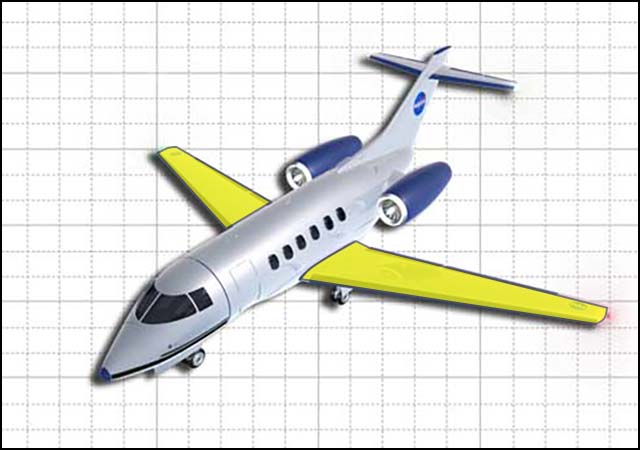
Wing: Control Degradation
Contamination can lead to altered flight characteristics, and asymmetric contamination can lead to asymmetric lift, which can cause a roll upset.
Related Accidents/Incidents
MONTROSE, CO – USA
NOVEMBER 28, 2004
CANADAIR CL-600
On November 28, 2004, about 0958 mountain standard time, a Canadair, Ltd., CL-600-2A12 collided with the ground during takeoff at Montrose Regional Airport (MTJ), Montrose, Colorado. The on-demand charter flight was operated under the provisions of 14 Code of Federal Regulations (CFR) Part 135 on an instrument flight rules (IFR) flight plan. Instrument meteorological conditions prevailed, and snow was falling. Of the six occupants on board, the captain, the flight attendant, and one passenger were killed, and the first officer and two passengers were seriously injured. The airplane was destroyed by impact forces and postcrash fire. The flight was en route to South Bend Regional Airport (SBN), South Bend, Indiana.
The National Transportation Safety Board determines the probable cause(s) of this accident as follows: the flight crew's failure to ensure that the airplane’s wings were free of ice or snow contamination that accumulated while the airplane was on the ground, which resulted in an attempted takeoff with upper wing contamination that induced the subsequent stall and collision with the ground. A factor contributing to the accident was the pilots’ lack of experience flying during winter weather conditions.
CLEVELAND, OH – USA
FEBRUARY 17, 1991
DC-9
The aircraft was on a flight from Cleveland, Ohio to Indianapolis, Indiana. The aircraft had flown through weather conducive to airframe icing about 40 minutes prior to the accident during the descent to Cleveland. During the 35 minute turn-around at Cleveland the crew did not exit the aircraft to conduct an exterior pre-flight inspection to verify that the wings were free of ice contamination. Snow, reported as dry and blowing, fell throughout the 35 minutes that the aircraft was on the ground.
The aircraft was not de-iced prior to take-off. Shortly after take-off, at an altitude of 50 to 100 ft, the aircraft was seen to roll first slightly to the right, then severely to the left. This was followed by a steep, almost vertical roll to the right, a sharp increase in pitch and impact with the ground in an inverted attitude.
It was concluded that the accident was caused by degraded aerodynamic performance caused by ice or frozen snow on the wing leading edges and upper surfaces. The accident board theorized that the flight crew used the aircraft's wing anti-icing during the approach to Cleveland, and that falling dry snow had melted and refrozen while the aircraft was on the ground and the anti-icing system was inhibited from operating. The report said that "According to the manufacturer a wing upper surface contamination of only about 0.14 inches thick, about equal to 80 grade sandpaper, can produce a 25% loss of wing lift.
There was no operator requirement for the pre-flight inspection. The crew had not been given training regarding the effects of wing contamination on the aircraft. The FAA and the manufacturer have been aware for several years of the propensity of the DC-9 Series 10 to the loss of control caused by wing contamination, but neither of them took positive action to include related information in the approved Aircraft Flight Manual.
FLUSHING, NY – USA
MARCH 22, 1992
FOKKER F-28
The aircraft was on a flight from La Guardia Airport, New York to Cleveland, Ohio and crashed during take-off, shortly after 9:30 pm. The runway was covered with a thin layer of wet snow. Ice contamination resulted in a stall and loss of control after lift-off.
The aircraft was deiced twice before leaving the gate. However, 35 mins had elapsed between the second deicing and takeoff, during which time ice accumulated on the wings. This time period exceeded the Type I deicing fluid safe holdover time (11 mins). The co-pilot called Vr 11 kts early, and the pilot rotated about 5 kts early. After lift-off the aircraft stalled and struck several structures before crashing into a berm that separates the airport from Flushing Bay. It came to rest partially inverted and submerged in 4 ft of water in the bay.
The weather was IMC, with a ceiling of 700 ft and visibility of 0.75 miles in fog and falling snow. The OAT was 0 degrees C. The operator did not require a specific exterior inspection for ice contamination of this aircraft type during periods of freezing precipitation. Accident history shows that non-slatted, turbo-jet, transport category aircraft have been involved in a dispro-portionate number of take-off accidents where undetected upper wing ice contamination has been cited as the cause or sole contributing factor.
ALBERTA – CANADA
OCTOBER 18, 1983
C-185
Just after take-off from a sod field, the aircraft pitched nose down and rolled to the right. The right wing tip hit the ground, the aircraft rolled left, and the main wheels hit. The left main landing gear collapsed, and the aircraft nosed over. The investigation did not reveal any pre-accident aircraft malfunction or failure. The condition of the propeller indicated that the engine was delivering power at the time of the impact, and, following the accident, an engine run-up confirmed that the engine was capable of producing full power. Weather conditions during the night were conducive to the formation of frost, and, as the aircraft had been parked uncovered outside, frost had formed on the aircraft surfaces. The temperature at take-off time was about -2C. Prior to the flight, the pilot noted water dripping off the aircraft. The sun was shining at a very low angle from the rear of the aircraft and was melting the frost. The pilot reported that there was water and slush on top of the wings, but he did not clean them off. It is probable there was still frost on the most critical area, the upper, forward surface of the wing, which was out of the direct sunlight. The presence of any foreign substance on an aircraft wing, especially on the upper, forward surface, increases the stalling speed of the aircraft. In this occurrence, the evidence indicates that the presence of water, slush, and probably frost on the wings caused the aircraft to stall when the pilot rotated it to the climb attitude after lift-off. The stall occurred at too low a height for the pilot to effect recovery. The aircraft struck the ground hard in a nose-down attitude, and the left main landing gear attachment bolt failed in tension and shear. There was no indication of pre-impact failure of the bolt.
Effects of Contamination Jet Aircraft
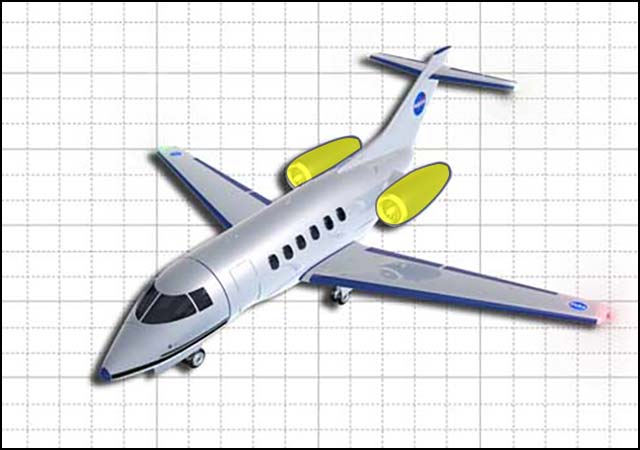
Jet Engine
Contaminants can break away during takeoff, and be ingested into the engine(s). This can cause the engine to flameout, or damage the fan and/or compressor blades, which could subsequently cause the engine to fail.
Related Accidents/Incidents
DETROIT, MI – USA
MARCH 14, 1997
DC-9
The airplane experienced a partial loss of power on both engines during takeoff. The flight returned and landed without further incident. Post accident examination of the engines revealed the compressor fan blades on both engines had sustained soft body impact damage. The airplane had been subjected to sub-zero temperatures during the previous flight and had landed with the wing tanks almost full. The airplane was on the ground for about two and a half hours prior to the accident takeoff during which time rain was falling. Both the captain and copilot reported that there were no signs of ice on the wings during their early morning preflight
The National Transportation Safety Board determines the probable cause(s) of this accident as follows: The captain’s failure to have the airplane deiced prior to takeoff which resulted in ice ingestion into both engines. Factors associated with the accident were the icing weather conditions, wing ice, an inadequate detection of the ice during the preflight, and the dark lighting conditions when the first officer was performing the preflight.
STOCKHOLM, SWEDEN
DECEMBER 27, 1991
MD-80
The aircraft arrived at Stockholm on the evening before the accident with 5.5 tons of cold soaked fuel (-12ºC) in the wing tanks. The OAT remained around 0ºC all night. There was drizzle followed by light to moderate rain and snow. The maintenance personnel observed clear ice on the wings late at night. The ice was not detected by the morning shift, although the aircraft was de-iced twice shortly before departure.
The aircraft taxied out with the engine and airfoil anti-icing system ON/armed and made a rolling take-off. At lift-off the pilot heard a strange noise above the background noises. Three passengers sitting on both sides of the cabin saw ice fall off the wing and approximately 20 seconds later the crew heard bangs from the right engine and felt vibration. 70 seconds later a left engine fire warning came on and the co-pilot activated the fire extinguisher. Almost simultaneously, at 3,200 ft/196 kts, there was a loss of thrust from both engines and the crew made preparations for a forced landing.
The aircraft broke out of cloud at 800 ft and the pilot aimed for an open field ahead. With the flaps and gear down, the aircraft passed over a ridge, collided with a number of trees, losing the right wing and landed in a field about 6 miles northeast of the airport. The fuselage breaking into three separate parts. It was concluded that the de-icing procedures used had failed to remove clear ice from the wings; and that during the take-off roll, chunks of ice had broken off and had been ingested by the engines, damaging the compressors and causing the engines to surge destructively.
TORINO, ITALY
FEBRUARY 16, 2002
F-70
On February 16, 2002, the flight was scheduled to depart from Caselle Airport in Torino at 05.50 UTC for Schiphol Airport in Amsterdam. During the pre-flight inspection the Captain decided that the aircraft needed to be de-iced. After the de-icing operation the aircraft was visually inspected by the Captain.
During rotation the left engine (No.1) developed fan vibration followed immediately by the failure of the right engine (No.2) at lift off. The crew executed a right hand turn at 1.500 feet QNH and proceeded to a holding fix to prepare for a single engine return to Torino. A PAN PAN PAN call was transmitted. When executing the emergency procedure for the failed engine the first officer could not move the fuel lever to the closed position. Apart from the engine failure, the crew had to deal with an Autothrottle alert, Cabin Pressure alert, Fuel Asymmetry alert, Centre Tank Pumps alert, a Vibration High Engine 1 alert and an Icing alert.
Causes:
--- The crew did not draw the conclusion that the wings were cold soaked and so the formation of clear ice was not suspected. Clear ice was not detected on the upper surface of the wings.
--- Clear ice was not removed from the upper surface of the wings. After the de-icing operation a tactile check was not performed to check for the removal of all ice from the wings.
--- The primary cause of the event was the ingestion of ice by both engines which caused the right engine to fail completely and the left engine to develop high fan vibration.
ANCHORAGE, AK – USA
SEPTEMBER 26, 2004
MD-82
The crew of a McDonnell Douglas MD-82 airplane reported a partial loss of engine power during the takeoff roll. The crew aborted the takeoff, and discovered that the left engine had sustained foreign object impact damage. The airplane had remained parked outside overnight prior to the incident flight, and heavy wet snow/slush was in the parking area and on the taxiway at the time of departure. The captain reported that she did not request to have chemical de-icing done during the preflight, since the outside air temperature was above freezing at the time of departure. The captain reported that there were no signs of ice on the wings during the early morning preflight. A maintenance technician visually inspected both engine inlets for any accumulation of debris prior to departure. The operator's safety officer reported that the crew did not perform a tactile inspection of the upper wing surfaces prior to the incident departure. The MD-80 flight crew operating manual states: "Clear ice can also form on wing upper surface when cold-soaked fuel is in the main wing fuel tanks and the airplane is exposed to conditions of high humidity, rain, drizzle, or fog at ambient temperatures well above freezing." A weather observation at the time of the incident consisted of: Sky conditions and ceiling, 200 feet, few, 600 feet, overcast; visibility, 10 SM; wind, 290 degrees at 8 knots; temperature, 37 F; dew point, 37 F.
The National Transportation Safety Board determines the probable cause(s) of this incident as follows: The loss of engine power due to the flight crew's failure to follow published procedures and directives, and an inadequate preflight inspection, which resulted in ice ingestion into the left engine during the takeoff roll. Factors associated with the incident were icing conditions and ice on the wings.
Effects of Contamination Jet Aircraft
Horizontal Stabilizer, Elevator Gap
Contamination on the topside of the tail can lead to a slight drag increase. Also, contaminants can slide into the gap and restrict elevator movement.

Related Accidents/Incidents
OTTAWA, ONTARIO – CANADA
NOVEMBER 4, 2003
DHC-8
On 04 November 2003, the de Havilland DHC-8-102 aircraft was on a scheduled flight from Ottawa, Ontario to Montréal, Quebec with 19 passengers and a crew of three. The aircraft was de-iced at the pad to remove the ice that had accumulated during the previous flight and freezing rain that had accumulated while the aircraft was on the ground. The aircraft then taxied to the runway and was cleared for take-off. The crew carried out normal pre-take-off checks and commenced the take-off run. On rotation, the pilot felt a restriction to movement of the pitch controls and, as a result, the pilot rejected the take-off.
Some freezing rain drops and residual de-icing fluid were found on the horizontal stabilizer and the elevator surfaces, but there were no large pieces of ice. The aircraft was de-iced again and proceeded to Montréal.
TSB Report Summary: On 04 November 2003, the de Havilland DHC-8-102 aircraft (registration C-GONJ, serial number 095), operating as Air Canada Jazz Flight 8946, was on a scheduled flight from Ottawa/Macdonald-Cartier International Airport, Ontario, to Montréal International Airport (Dorval), Quebec, with 19 passengers and a crew of three. The aircraft left the gate and proceeded to the de-icing pad where it was de-iced to remove ice that had accumulated during the previous flight and freezing rain that had accumulated while the aircraft was on the ground at Ottawa. The aircraft then taxied to Runway 07 and was cleared for take-off. The crew carried out normal pre-take-off checks and at 1412 eastern standard time commenced the take-off run. On rotation, the pilot felt a restriction to movement of the pitch controls and, as a result, the pilot rejected the take-off.
After clearing the runway, the crew moved the elevator controls through their full range of movement and found them free of restriction. The aircraft returned to the gate where maintenance inspected the aircraft and found the controls operating properly and free of restriction. Some freezing rain drops and residual de-icing fluid were found on the horizontal stabilizer and the elevator surfaces, but there were no large pieces of ice. The aircraft was de-iced again and proceeded to Montréal.
EDINBURGH, SCOTLAND
DECEMBER 21, 2004
DHC-8
On 21 December 2004 at 0723 hrs, the pilot experienced high control forces in pitch when rotating the aircraft to get airborne from Edinburgh Airport. Just as the pilot was considering aborting the takeoff above the rotation speed, the aircraft slowly became airborne. After takeoff the pilot exercised the aircraft pitch controls whereupon the control forces returned to normal. The pilot then decided to continue to Manchester where an uneventful landing was made. The cause of the high control forces in pitch were probably due to frozen spring tabs caused either by incomplete de-icing before flight, or by rehydration of the de-icing fluid residue.
The aircraft manufacturer has subsequently issued two All Operators Messages applicable to Dash 8 series 100, 200 and 300 aircraft following two instances of a rejected takeoff in the Dash 8 series 200 aircraft due to the inability to rotate at the appropriate rotate speed. The AOMs cite as a potential cause the restriction of the spring tabs due to freezing of rehydrated de-icing fluid residue, and recommends periodic washing of specific aerodynamically "quiet" areas to remove this residue.
AAIB DHC-8-311, G-BRYU Summary: On 21 December 2004 at 0723 hrs, the pilot experienced high control forces in pitch when rotating he aircraft to get airborne from Edinburgh Airport. Just as the pilot was considering aborting the takeoff above the rotation speed, the aircraft slowly became airborne. After takeoff the pilot exercised the aircraft pitch controls whereupon the control forces returned to normal. The pilot then decided to continue to Manchester where an uneventful landing was made. The cause of the high control forces in pitch were probably due to frozen spring tabs caused either by incomplete de-icing before flight, or by rehydration of the de-icing fluid residue. The aircraft manufacturer has subsequently issued two All Operators Messages applicable to Dash 8 series 100, 200 and 300 aircraft following two instances of a rejected takeoff in the Dash 8 series 200 aircraft due to the inability to rotate at the appropriate rotate speed. The AOMs cite as a potential cause the restriction of the spring tabs due to freezing of rehydrated de-icing fluid residue, and recommends periodic washing of specific aerodynamically “quiet” areas to remove this residue.
ABERDEEN, SCOTLAND
FEBRUARY 23, 2005
JETSTREAM 4100
While climbing through 9,000 feet on a scheduled passenger flight from Aberdeen to Newcastle, the aircraft experienced a sharp pitch change as the autopilot was engaged. When the autopilot was disengaged, pitch control was found to be very limited. Control improved during the descent for a precautionary landing at Aberdeen, and was completely restored upon touchdown. The captain believes that failure to ensure proper de-icing prior to departure had permitted ice to remain on the horizontal tail surfaces and that a further accumulation in flight caused the elevator to become jammed.
HONSHU, JAPAN
JANUARY 10, 1988
YS-11
During a take-off in snow showers the aircraft failed to lift-off, overran Runway 25 and dropped into the sea about 90ft beyond the shore. Field elevation 18ft, runway length 4,500ft, and overrun length 200 ft. Weather: wind 280 degrees/6 kts, visibility 1,500 ft with light snow showers, temperature +1 degree C.
The co-pilot, who was carrying out the take-off, found the elevator control too heavy to rotate the aircraft and aborted the take-off. Ice or slush on the controls may have affected the elevator control. The pilot had considered that de-icing was not necessary. He had been a captain for this type of aircraft for less than 6 months and, according to company rules, he was not authorized to leave the controls to the co-pilot during take-off. It has been recommended to airlines to ensure that de-icing and anti-icing measures are complied with before take-off and the company rules have been revised accordingly.
Effects of Contamination Jet Aircraft
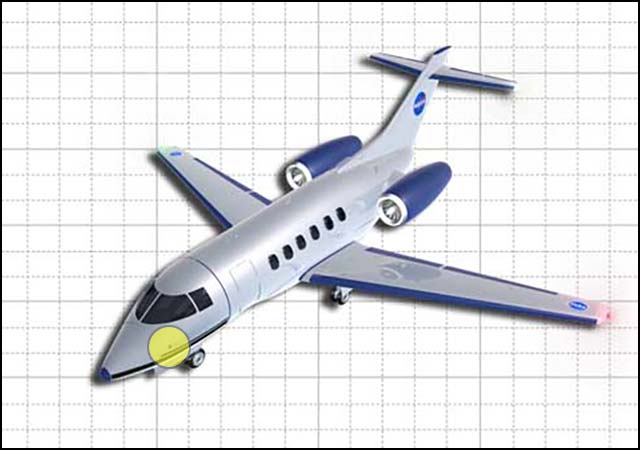
Instruments and Sensors
Contaminants forming on or blocking pitot tubes, static ports, angle-of-attack vanes, or engine probes may give false airspeed, attitude, angle of attack or engine power indications. If you suspect your airspeed indicator and/or AOA instruments are giving you incorrect readings, reject the takeoff. If it is too late to reject takeoff, fly pitch attitude and power. Do not rely on suspicious instrumentation.
Related Accidents/Incidents
RENO, NV – USA
JANUARY 15, 1993
C-421
The aircraft was on a flight from Reno, Nevada to Camarillo, California and collided with level ground while attempting to land during a snow shower. The pilot reported an emergency one minute after departing IFR and requested a return to the airport under visual rules. The pilot indicated to ATC that "I can't get any speed". The visibility was variable around the airport with the lowest report of 1/2 mile. Witnesses observed the aircraft travelling fast at low altitude and indicated that both engines were running. Investigations revealed that before the flight, the pitot tube covers were not used. About 1.5 inches of snow had accumulated on the aircraft during the refuelling and was brushed off. The aircraft was seen flying into a snow shower and reversing course. Witnesses reported the aircraft's angle of bank to be 80 to 90 degrees with a 20 degree pitch down attitude. The aircraft descended into a snow covered pasture. Witnesses reported the aircraft levelled it's wings just before impact.
Manufacturers safety and warning supplements indicate in-flight ice protection is not designed to remove snow on parked aircraft. The manufacturer also recommends the use of heated hangers or approved de-icing solutions to ensure that there are no internal accumulations in pitot static system ports.
Effects of Contamination Jet Aircraft
Fuselage
A big concern is the drag increase. The weight of contamination is insignificant compared to the maximum takeoff weight of the aircraft. For example, coating the top surfaces of a light twin with one half-inch of ice adds about 40 pounds (18 Kg). This is negligible compared to the lift and drag penalties. Also, for aircraft with aft-mounted engines, contamination may break off the fuselage and impact or be ingested by an aft-mounted engine.
Effects of Contamination Single Engine Piston
Wing: Aileron Gap
Contaminants can slide into the gap and restrict aileron movement.

Related Accidents/Incidents
UNITED KINGDOM
APRIL 4, 2004
BAE-146
In descent from FL270 to FL240 the aircraft became unstable in pitch and would not hold airspeed or altitude. The autopilot and autothrottle were disconnected and the aircraft flown manually. When the autopilot was disconnected the ailerons were found to be jammed, but did eventually move a little with the application of excessive force. No warnings were enunciated but the QRH disconnect drill was actioned. A PAN was declared and, subsequently, an uneventful 24deg flap approach and landing occurred at destination. The ailerons became free at approx 6000ft on the approach. The weather before departure was wet and icing conditions had been encountered just after take-off. The reporter confirms that the aircraft had last been de-iced on 17 Mar 2004. During subsequent inspection large deposits of a "gel-like substance" was found around the ailerons and roll actuator. This was suspected to be de-icing fluid residue. The problem recurred the following day when the ailerons were found to be abnormally heavy and very stiff to operate during descent from approx 10,000ft to 3,000ft, where control feel returned to normal. It was noted that, throughout the flight, the aircraft had been free of cloud/weather and that no control problems were noticed until the autopilot was disconnected. The freezing level was approx 9,000ft and the reporter suspects this problem may have arisen because the autopilot was disconnected above this level.
Effects of Contamination Jet Aircraft
Horizontal Stabilizer: Control Degradation
Contamination, particularly a spanwise ridge, near the leading edge on the lower surface of the tail, may cause a pitch upset.