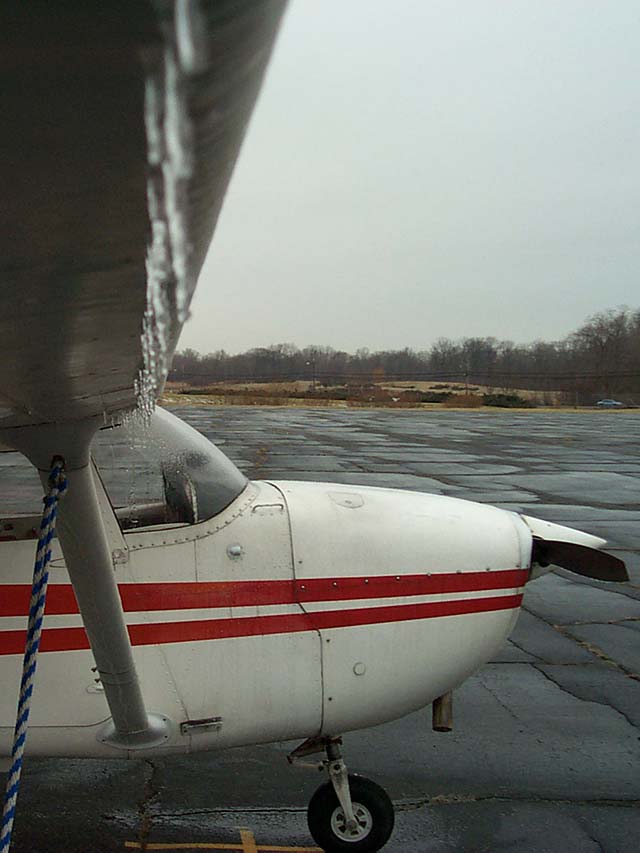
A Pilot's Guide to Ground Icing
Module IV - De-Icing Operations
How to take it off
Section: Module Overview
Start This SectionModule Overview De-Icing Operations
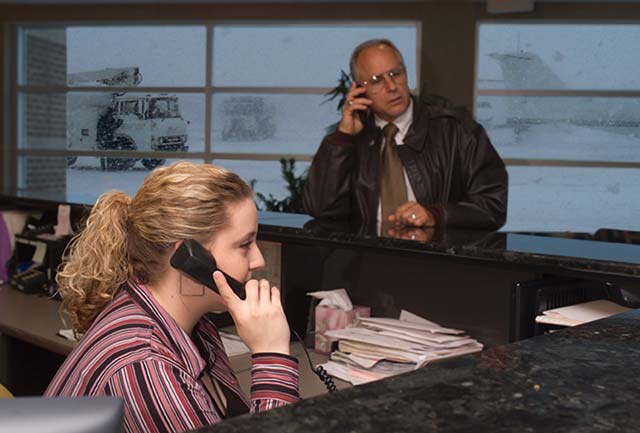
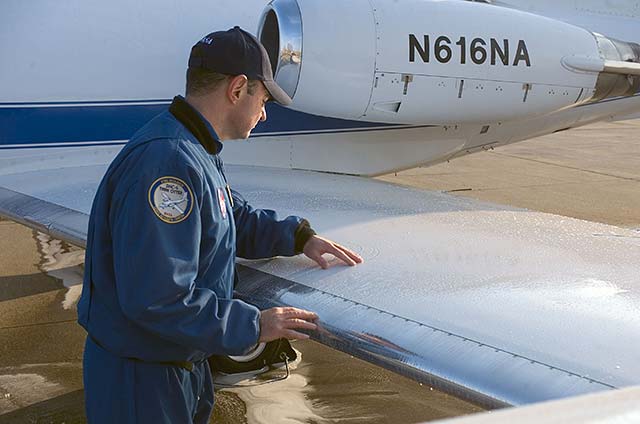
Cleaning your aircraft of frost, snow, ice and other frozen contaminants is a vital step that may not always be easy to accomplish. You may feel pressured by others, or even yourself, to skip this de-icing step to arrive on time (“get-home-itis”) or keep down costs. Yielding to these pressures and departing with contaminants on your wing may cost you your life.
A little advance planning, and dedication to keeping your aircraft clean, can help you proactively deal with these situations.
As Pilot-in-Command (PIC), the safety of flight is your responsibility.
Navigation Hint: Use your "page up" and "page down" keys to navigate between section pages.
Use your "left" or "right" arrow keys to navigate between sections.
Module Overview De-Icing Operations
If there will be snow or other freezing precipitation during your planned departure time, and either your aircraft is not certified for flight in icing conditions, or the ice protection systems are inoperable, then you should not depart. There is no need to de-ice until you can depart.
In this module, we’ll discuss best practices to de-ice or remove frozen contaminants (frost, snow, ice and slush) from the aircraft’s critical surfaces. These suggestions are meant to supplement, not replace, the practices outlined in your official literature.